Monday, 14 July 2014

Delicious, Virtuous "Bread" packed with fibre and nutrients, filling and suitable for coeliacs, IBS sufferers, people with sluggish systems etc!

As a coeliac myself one thing I really miss is bread.  Not only was it my favourite food (you can't beat a nice slice of toast) it is just so convenient.  But bread is not what it used to be and so many people now don't tolerate wheat well and suffer negative consequences when eating bread (I'm thinking bloating, gas, abdominal pain, constipation etc).  So when I spotted a recipe recently I knew I could customise to suit my requirements I had to give it a go.  The results way exceeded my expectations.  I've made the loaf three times so far and changed it a little each time so this recipe is the version that worked best for me.  Don't be afraid to make changes to suit your own requirements: it is a very forgiving recipe.  And if you create a new version or have suggestions to improve it I would love to hear from you.

#coeliac   #suitableforcoealic    #coealiacdisease   #IBS   #suitableforcoeliac#coeliacdisease    #wheatfree   #vegan   #vegetarian   #candida   #coeliacrecipe  #ibstreatment   #candidadiet   #highfibre  

Recipe makes 1 loaf.

You Need:

1 cup/135g of sunflower seeds
1/2 cup/90g of flax seeds
1/2 cup/65g of almonds or hazelnuts (but I used both and if you are allergic to nuts maybe try cashew as they are not nuts or add more seeds)
1 1/2 cups/145g of Brown Rice Flakes or Rolled Oats 
2 Tablespoons of Chia Seeds or Pumpkin seeds or Sesame
4 Tablespoons of psyllium seed husks (3 tablespoons if using psyllium husk powder)
1 Teaspoon of fine grain sea salt
1 grated apple (original recipe was 1 tablespoon of organic maple syrup, or you could use agave syrup or a pinch of pure stevia)
4 Tablespoons of extra virgin coconut oil (original recipe said 3 but I prefer it with a bit more - you could also use ghee)
1 1/2 cups/350 mls of water (although I used more)

Method:

Chop the nuts a little (or buy broken ones to start with) and combine all the dry ingredients in a bowl.  Melt the coconut oil ( just put it in a cup and stand in hot water) and add to the dry ingredients along with the grated apple and the water, adding the water a bit at a time.  I found mixing the dough with my hands worked best.  If the dough is too thick to stir then keep adding water a little at a time until it's a manageable thick but not too stiff dough.  The dough will thicken as you leave it to stand so don't worry if you have added a little too much water.  Put the mixture in a silicon loaf pan, smooth the top and leave it to stand for at least two hours but ideally over night.  To ensure the loaf is ready to bake it should retain it's shape even when you pull the silicon pan away from it.

Preheat the oven to 350 F/175 C.  I've got a fan assisted oven and I still baked it at that temperature and it was perfect.  Place the loaf on the middle rack and bake for 30 minutes.  Remove the bread from the loaf pan and put it upside down directly on the rack and bake for a further 30 - 40 minutes.  Bread is cooked when it sounds hollow when you tap the middle.  This next bit is very important: allow the bread to cool completely before slicing.  Store bread in an air tight container and it will keep for up to five days.  Also freezes well: slice it before you freeze it and it's perfect for toasting.  Delicious spread with Extra Virgin Coconut Oil.

I think there are lots of possibilities for this bread and looking forward to experimenting with walnut and dried fruit, olives and herbs (using olive oil instead of coconut), or adding nutritional yeast for a cheesy version.  If you try making it yourself I would be interested to hear your comments or suggestions for improving etc.

Friday, 21 March 2014

All The Colours

I rather ran out of steam writing about the benefits of the different coloured vegetables.  I found this picture online the other day and thought it was a very succinct way of highlighting the benefits of eating all the colours vegetables and fruit come in.  

A Quick Guide to the Benefits of Different Coloured Fruit & Veg

Thursday, 18 April 2013

Eat Your Greens


I was always told that I had to eat my greens no matter what.  My mum didn't care whether I liked them or not she just knew they were essential.  Like many children, I was not keen on the taste but my mum found ways to prepare them that meant I ate and enjoyed them. Sometimes just a knob of butter can make all the difference.

Why Are Greens So Important?

Dark green leafy vegetables are perhaps the most potent superfood on the planet. They are also the most ignored and avoided foods as well. If you consider the powerful dose of vitamins, minerals, antioxidants and phyto-nutrients that we get from spinach, kale, chard, collards, dandelion and other greens, it’s a wonder we can survive at all without them.

What Makes Greens, Green?

Chlorophyll is the naturally occurring molecule that gives plants their green colour. Chlorophyll is also what enables one of the most miraculous processes on earth, photosynthesis. Photosynthesis  converts sunlight, water and carbon dioxide into our primary source of fuel – glucose. All animals and humans obtain their life-sustaining energy from plants, making photosynthesis (one of) the sources of all life. Without plants there would be no life on our planet.

Chlorophyl - The Blood of Plants

One of the most interesting aspects of chlorophyll is how similar it is our red blood cells, known as haemoglobin, the pigment that makes our blood red and able to carry oxygen.  Haemoglobin and chlorophyll are virtually identical in molecular structure, with the only difference being the centre atom which in haemoglobin is iron and in chlorophyll it’s magnesium. 

Benefits of Chlorophyl

The extreme similarity is what makes chlorophyll so beneficial to our health because it’s a powerful blood cleanser and blood builder. Chlorophyll delivers a continuous energy transfusion into our bloodstream, replenishing and increasing red blood cell count. And since haemoglobin carries oxygen to our cells, increasing haemoglobin thereby increases the ability of red blood cells to carry oxygen which is a very good thing.

Disease-promoting anaerobic bacteria cannot live and thrive in the presence of oxygen. It’s also known that disease can’t thrive in an alkaline environment either. Lucky for us, chlorophyll helps to alkalize our blood  and helps our bodies fight off disease. 

Detoxification

Every January we have Doctors saying in the media how we don't need to detox because our bodies can do it perfectly well.  That's true, but you have to give  your body what  it needs in order for it to be able to carry out its natural processes.  Eating your greens leads to healthy blood flow and an abundance of oxygen to enable your body to remove toxic impurities. Chlorophyll has also been shown to improve the detrimental effects of radiation, and been linked to cancer prevention. Chlorophyll binds with toxins like heavy metals and helps remove them from the body. Chlorophyll can also stimulate bowel movements and is a great aid in colon cleansing.

Overall Benefits of Chlorophyl

The range of health benefits to gain from a diet abundant in green veg is nothing short of miraculous. Chlorophyll is known to improve the health of the circulatory, digestive, immune and detoxification systems of the body resulting in many different and overlapping health benefits including:
  • Cleans, oxygenates and builds your blood
  • A powerful detoxification effect on the body
  • Rich in enzymes that promote quick rejuvenation of our cells
  • High in Amino acids
  • Extracts toxins form the liver improving function
  • Regulator of calcium
  • Alkalizes the body
  • Anti-inflammatory
  • Wound-healing properties
  • Fights infection
  • Anti-oxidant – neutralize free radicals
  • Promotes healthy intestinal flora
  • Helps reverse protein-deficient anaemia
  • Protection from cancer
  • Helps skin disorders

Greens and Healthy Bowels

Eating a diet rich in leafy greens is the best way of  supporting your bowels to maintain healthy colonies of good bacteria.  Good bacteria forms a significant part of your immune system and also facilitates absorption and synthesis of nutrients.  An abundance of green veg is much cheaper and more effective than eating yoghurt with live bacteria or consuming the very expensive probiotic drinks.

In addition, your greens provide lots of dietary fibre to promote regular bowel evacuation.

Best Greens         

Essentially all green plants you eat contain some chlorophyll but some foods are better sources than others. Generally speaking, the darker green vegetables are, the more chlorophyll they contain.   So a good choice is to ditch the iceberg lettuce (which has little chlorophyl and is low in other nutrients) and choose darker options such as romaine, watercress, rocket etc.   Adding herbs like parsley is also a great way to increase the nutrient value of your salads. 

Other Benefits

Green vegetables have more nutrition per calorie than any other food. Greens are a significant source of vitamins A, C, E and K as well as several B vitamins. They are rich sources of minerals such as calcium, magnesium, iron and potassium. They are rich in fibre, extremely low in fat and carbohydrates and provide an excellent source of protein when you eat a wide variety.

Organic

Choose organic whenever you can as the growing methods produce vegetables with higher levels of nutrients and less pesticides.  Better still, during the summer months, grow your own.  If you don't have much space available then even growing your own lettuce and herbs will provide greens with a higher nutrient content (and more taste).

Falling Nutritional Value 

Scientists first noticed that the nutritional content of our fruit and vegetables had started to decrease some time ago.  Have a look at the following table and if that does not encourage you to grow your own or buy organic whenever you can I don't know what will.  Unfortunately for us, we have the most perfect looking fruit and veg (thanks to supermarkets dominating distribution: its all form over substance) but not necessarily the best in terms of nutritional value, especially mineral content.


How Much Green Should You Eat?

The USDA food pyramid suggests a minimum of 3 servings of leafy greens per week. This is ridiculously low but even so most Americans, and most people in the UK fall short of this recommendation.  In truth, you should aim for three servings per day of a variety of green vegetables.  An easy way to increase your nutrient intake is to do green smoothies.  Just greens can be less than palatable(especially for someone who has been avoiding greens) but try adding a green apple for sweetness and some ginger for warmth and flavour.  I like spinach, celery, watercress, apple and carrot.

Hope that's helpful!  Apologies for the mish-mash of font sizes and heading types, it's not co-operating with me today!


Tuesday, 16 April 2013

Maximise Your Nutrient Intake By Choosing a Variety of Colours

If you want to ensure you are eating a wide range of nutrients, the best way is to choose a variety of different coloured veg and fruit for every meal.

The first group we are going to look at is carotenoids.  

What Are Carotenoids?

The pigments that give some fruits and vegetables their rich red, orange and yellow colours are called carotenoids.  These natural antioxidants are also potent disease fighters.

Although more than 600 carotenoid pigments are known it seems that only six of them are used in significant ways by the blood or tissues of your body.  These are: alpha-carotene, beta-carotene, cryptoxanthin, lycopene, lutein and zeaxanthin.

Which Foods Contain Carotenoids?

Carotenoids are present in a wide variety of fruits and vegetables but some foods have more concentrated levels.  Alpha-carotene is found in carrots and pumpkin, lycopene is abundant in red fruits such as watermelon, pink grapefruit, guava, pomegranate can cooked tomatoes.  Lutein and zeaxanthin are plentiful in pumpkin and red peppers and cryptoxanthin is abundant in mangoes, oranges and peaches.  To prevent disease it is advisable to ensure all these foods are part of your diet.  

Benefits of Carotenoids      

The main benefit of carotenoids lies in their antioxidant effect, protecting your cells from damage by unstable oxygen molecules called free radicals.  Although carotenoids are similar to each other each acts on a specific type of body tissue.

Carotenoids may guard against certain types of cancer by limiting the abnormal growth of cells.  Lycopene for example appears to inhibit the development of prostate cancer.  A study conducted by Harvard University found that men who ate 10 or more servings a week of tomato based foods (tomatoes are the richest source of dietary lycopene and cooked tomatoes contain five times as much) cut their risk of prostate cancer by a whopping 45%.  Lycopene may also be effective against cancers of the stomach and digestive tract. 

Studies have shown that high intakes of alpha-carotene, lutein and zeaxanthin decrease the risk of lung cancer (so very important for smokers) and that cryptoxanthin and alpha-carotene lower the risk of cervical cancer.

Carotenoids may also be helpful in the fight against heart disease.   In a survey of 1,300 elderly people, those who consumed the most carotenoid rich foods were found to have half the risk of developing heart disease and a 75% lower chance of having a heart attack than those who ate the least amounts.  This was the case even after taking into account other risk factors such as smoking and high cholesterol levels.  Scientists believe that all carotenoids but especially alpha-carotene and lycopene, block the formation of LDL cholesterol (that's the bad one).

Lutein and zeaxanthin promote clear vision  by absorbing the sun's harmful ultra violet rays and neutralising free radicals in the retina (the light sensitive portion of your eye).  This may reduce the risk of macular degeneration, an age related vision disorder that is the number one cause of blindness in older adults.  Other carotenoids may prevent damage to the eye's lens, decreasing the risk of cataracts.   This is clearly ancient knowledge and the reason why our mothers told us eating our carrots  would help us to see in the dark.  

Some studies, in their early stages, have identified a link between low carotenoid consumption and menstrual problems whilst other studies have found that, even after the onset of cancer, a diet high in carotenoids may improve the prognosis.

Downside       

The only downside is that high consumption of carotenoids is likely to turn your skin orange  which is particularly evident on the palms of your hands and soles of your feet.  Still it saves on the false tan!   And if you do go orange then just reduce your consumption.

To Get The Benefits      

Make sure your diet  contains a variety of red, orange and yellow foods every day.  Choose from tomatoes, oranges, peaches, mango, sweet potato, cantaloupe melon, watermelon, guava, red peppers, yellow peppers, carrots, pumpkin, pomegranate, strawberries, raspberries, physalis, sharon fruit, pink grapefruit, corn and apricots.

Try snacking on raw carrots or having them with houmous.                

Thursday, 17 May 2012

Easy Ways to Increase Your Veg Intake

Grow Your Own For Optimum Nutrition

I've been busy planting things to eat in my garden.  So far I've got two fruit trees (plums and apples), strawberries, peas, mint, chives, sage, nasturtiums (the flowers have a light peppery taste a bit like radish and they look really pretty in a salad), rosemary, thyme, peas, tomatoes (in hanging baskets), different types of lettuce and lots more to plant this weekend.  


I only have a tiny garden so am using pots, hanging baskets and am creating a raised bed to put in carrots, beans and more peas (none of them will ever make it to a plate, I love them straight out of the pod).


I have also planted sweetpeas and lots of lavender to give the bees something to visit and so I will have sweet scented cut flowers for the house and aromatic herbs to dry at the end of the season and use to keep my drawers smelling sweet and fresh.


Saving Money and Increasing Nutrients

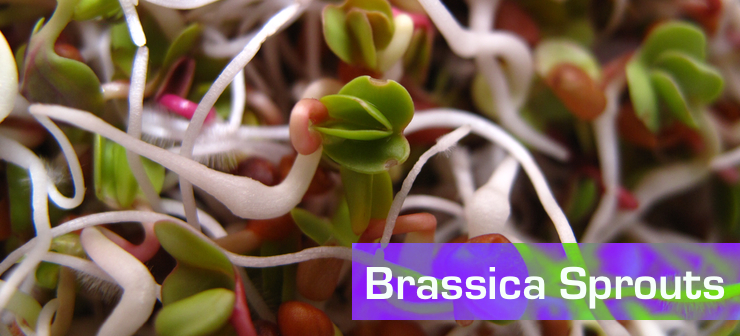
As well as planting to provide myself with cheap nutritious food I have also gone mad on sprouting again.  It's easy, cheap and provides very nutritious, easy to digest, very fresh ingredients to add to salads, pitta pockets etc.

What Can You Sprout

Virtually any bean, seed or grain is easy to sprout.  The only things I have failed with in the past were pumpkin seeds, which were disgusting and tasted poisonous, and hemp seeds which failed to sprout.

Try the following:

Alfalfa
Broccolli Seeds
Fenugreek Seeds (gives a curry flavoured sprout)
Fennel
Sesame
Brown Rice
Chick Peas
Buckwheat Groats
Sunflower Seeds
Wheat
Barley
Beans: Aduki, Mung, Broad, Kidney, Black, Haricot, Black Eye  
Quinoa
Amaranth
Poppy Seeds
Peas


What You Need to Start

A Container:  You can buy multi tiered sprouters or special jars but any large, wide necked jar will do.  Catering sized jars of pickles are good if you are wanting to sprout a large amount at once but its best to just sprout small amounts all the time.

Something to cover the top:  A piece of muslin or a section cut from a pair of tights secured in place with a rubber band.

Soaking:   As a rule of thumb, the larger and harder the thing you are sprouting the longer you will need to sprout.  So soak beans, chick peas, rice etc over night and seeds such as alfalfa for about four hours.  Soak ideally in filtered water.  Beans will expand quite a bit so make sure you have them in a big enough container.

Growing:  Once your beans, grains or seeds have been soaked, rinse them well and put into your chosen growing container.  Put the muslin or tights over the top and secure in place.  Allow them to drain well.  Then place in a dark cupboard.  I always forget them if I put them in a cupboard so I cover mine in tin foil to exclude the light and then leave them by my kitchen sink.  They need to be rinsed well and thoroughly drained two to three times per day.  Once they have all started to sprout you can put them on a sunny windowsill.  They are ready to eat when most of the bean or seed has gone.  I like to leave mine until there is some green in the tiny "leaves" to maximise nutrient content but experiment by tasting.


Once they are well sprouted you can rinse and drain them and store them in the fridge.  Eat them as fresh as possible to get maximum nutrients.

http://www.sproutpeople.org is a great source of more information and for a wide variety of seeds, beans and grains to sprout, sprouting equipment and guidance.

Happy Sprouting!

Jane


Monday, 16 April 2012

What is a Healthy Diet?

There is so much conflicting information about what constitutes a healthy diet it's no surpise people are confused.

Myth: We Need 5 Portions of Fruit and Vegetables Per Day

Our government informs us that we need to eat five portions of fruit and vegetables per day but that figure was chosen arbitrarily and bears no relation to our actual needs.  It's the lowest recommended daily intake in Europe.  The truth is we need 9 - 14 portions per day.  They made the decision to misinform owing to their nanny state thinking, deciding it was too much to ask people to do. But that means that many people get two to three portions (and many others less or even none) and have no idea that they are inviting bad health.

The Importance of Fruit and Vegetables in a Healthy Diet

Dietary Fibre

Fruit and vegetables supply us with important dietary fibre which helps to maintain steady blood sugar levels and facilitates efficient bowel movements by providing bulk.  Regular evacuation of your bowels removes toxic waste from your body reducing the likelihood of developing bowel cancer and taking the load off your liver (which for most people is already dreadfully overworked).

Vitmains and Minerals

In addition, fruit and vegetables provide us with essential vitamins and minerals.  Antioxidant vitamins such as C and E help to protect us from dangerous free radicals.

Free radicals are formed simply by living.  Breathing oxygen for example creates free radicals.  Free radicals are molecules that lack an electron making them very unstable. They career around the body seeking that missing electron.  Free radicals are neutralised by anti-oxidants (which provide them with that missing electron).  When a free radical encounters a cell in your body only one of three things can happen. The free radical can be neutralised by an anti-oxidant and removed from your body without causing damage, or, in the absence of sufficient anti-oxidants, the cell will either mutate or be destroyed (and I am sure you can imagine that neither eventuality is desirable). Free radical damage is thought to be the cause of most common diseases.

Our ancient ancestors lived a natural life and would have eaten whatever fruit and vegetables they were able to gather.  They would have eaten whatever was growing at the time so everything was wild, fresh and packed with anti-oxidants.  Whilst their bodies still produced free radicals they were adequately provided with anti-oxidants to netralise the effects: perfect harmony.

Our ancestors also did not have to contend with our modern environment.  The air they breathed was fresh and clean without pollution, chemicals and other contaminants.  They did not live in an enviroment packed with electro magnetic fields, microwaves and radiation from electrical appliances, no mobile phones, no pesticides on their food, no artifical fragrances or other chemicals to "clean" their skin, no chlorine in the water, no artificial stress (just survival), no manufactured food packed with chemicals and additives, no fizzy drinks, cigarettes, pharmaceuticals made from chemicals, petrol fumes etc etc.

All the contaminants we encounter mean that we generate far more free radicals which need to be neutralised in order to avoid the damage they cause (such as cancers).  But sadly our antioxidant intake is often (and maybe even always) woefully inadequate. 

Falling Nutrient Levels


The soil our fruit and vegetables grows in is short on nutrients and so is the produce grown.  Intensive farming methods have robbed the soil of goodness and growers now attempt to reintroduce nutrients in the form of chemical fertilisers polluting our food.

In 1935 scientists discovered that nutrient levels in fruit and vegetables was on the decline and that decline has accelerated dramatically.  For example beween 1985 and 2002 brocoli lost 73% of its calcium content and magnesium fell by 55%.  During the same period the vitamin B6 content of bananas fell by 95% and strawberries lost 87% of their vitamin C content: our food is a shadow of its former self.

So we have a much greater level of free radicals to neutralise but a greatly reduced quality of food comppounded by inadequate consumption.

Not Just Antioxidants

And its not just the antioxidant function of fruit and vegetables that are important.  Vitamins and minerals are essential if are bodies are to work properly.  Some nutrients our bodies can create but even so a poorly nourished body will not effectively produce anything much.  Our bones, skin, organs, brain, health and happiness (in fact every aspect of being alive) all depend on getting the right nutrients.  If you are not full of vim and vigour then its probably because  you are simply not geting enough vitamins and minerals.

Increasing Your Fruit and Veg Intake

Often, when I tell people they need 9-14 portions of fruit and veg a day they are shocked and feel its somethng they cannot achieve.  However most are consuming way more bread, pasta, rice and potatoes than they have any need for.  These foods are good for people who have a big energy requirement: someone who works hard in a field all day, or who has to walk miles to get water or gather fuel for cooking.  They are concentrated sources of energy but dont deliver a lot in term of vitamins and minerals.  In our society people are filling up on concenrated energy and not getting enough vitamins and minerals from fruit and vegetables.

To increase your fruit and vegetable intake add three pieces of fruit to your breakfast and eat them through the morning.  Fruit is the ultimate convenience food.  Take a big salad to work for lunch with a wide variety of colours and textures.  Or make your sandwich with wholemeal pitta bread so you have way more salad than bread.  You will easily manage three or more portions of veg.

Snack on a little dried fruit, vegetable batons and some houmus, celery sticks, cherry tomatoes, berries, nuts and seeds.

In the evening make your meals two-thirds vegetables.  Have a starter of fruit (it digests better on an empty stomach) such as half a grapefuit, melon or pineapple (which can improve digestion).  If you must eat pasta make it wholewheat or brown rice with a predominantly vegetable topping.  Adopt the French habit and have salad with every meal.  If you are having fish or meat then have it with three or four servings of vegetables (excluding potatoes).  If you want a super quick meal then how about a vegetable omlette.  I particularly like mushroom, peppers, tomato and asparagus but you can add just about anything.  And you can use small amounts of meat for flavour such as chopped bacon.

If you find vegetables bland then dress them with a knob of butter or drizzle with olive oil and a little balsamic vinegar.  Or try lightly sauteing them in a little butter, Rapeseed or olive oil,  I particularly like cabbage done this way: wash and slice it and put into a frying pan with a little melted butter then put the lid on and let it cook on a low heat whilst preparing the rest of your meal (don't overcook it though).

Add fresh herbs to significantly increase your nutrient intake.  In summer it is easy to grow your own and some you can keep going in the winter on a sunny windowsill.

To maximise your nutrient intake choose a wide variety of colours and don't eat the same things all the time.  Eat at least one third of your vegetables raw.

When you can, choose organic.  I think you can taste the difference but even if you can't they have a higher nutrient content.

Supplement

I used to think you could get enough nutrients from a good diet but in light of new information I think its unlikely. I have access to an anti-oxidant scanner which measures the level of anti-oxidants in your skin and is very accurate.  It takes a great many processes for the anti-oxidant to reach your skin so its a much more accurate measure than blood or urine.  If you would like to be scanned (if you live in the UK) then get in touch and I will be able to arange it for you.  If your score is low you can then take an optimal health supplement on a three month trial and then get rescanned.  If your scores do not improve you can get your money back.  It's the only supplement I know of that the results can acutally be measured.

That's all for now,

Regards

Jane

Sunday, 8 April 2012

The Myth: Fat is Bad

Did you know that fat is absolutely essential to good health? That the people in the world who consume the greatest amount of fat (Eskimos and Inuit) generally have the lowest levels of heart disease?

For many years now we have been encouraged to eliminate fat from our diets. Food manufacturers have jumped on the bandwagon and produce huge amounts of low fat and fat free products.  But since people started pursuing a low fat diet the levels of obesity have risen exponentially.  Low fat products always have a high sugar content and its largely sugar that makes you fat rather than fat.

By reducing fat in your diet you are denying yourself at soluble nutrients such as A, E, D and K and are more likely to damage your health than improve it.

It is not my intention here to make you an expert on fat.  I just want to give you a broad overview so you are better placed to make useful choices when it comes to what fats to include and what to avoid in your diet.

The Importance of Fats (Lipids)

Lipids may well be a less familiar term to you than fats.  But it is a broader technical term that refers to both solid fats and liquid oils as well as more complex lipids such as cholesterol and phospholipids.

The function of lipids in your body are quite broad and include:

  • providing a source of energy
  • provide the building blocks for the outer layer of each cell in your body
  • regulating hormones and co-enzyme functions
Lipids are essential to restoring and maintaining youth, health and vitality, having healthy supple skin, healthy blood pressure and cholesterol levels and so on.

Types of Lipids

Saturated Fats: 

Saturated fats are simple fatty acids.  They have been cast as the undisputed baddies of fats.  The fat molecules however are chemically stable under high heat which means they do not react with oxygen creating free radicals. Sources of saturated fat include most animal fats, lard, butter, coconut butter, and palm fat.  These are all traditional cooking fats owing to that stability under high heat.

Saturated fats can be created in the body as well as coming from foods.  They are important for cell membrane structures, production of bile salts, immune functions, cellular signalling and important for your lungs.

Monounsaturated Fats:

Monounsaturated fats (MUFAs) are also simple fatty acids.  They are unsaturated but only in one place in their molecular structure.  Monounsaturated fats are liquid at room temperature.  Butter is, for example, mostly saturated fatty acids and is solid at room temperature, olive oil on the other hand is mostly MUFAs and is liquid at room temperature.  MUFAs are less stable than saturated fats in high heat.  They are therefore suitable for  medium temperature cooking such as sauteing or baking.  Food sources include olives and olive oil, avocados, peanut and soybean oil.

Polyunsaturated Fats (PUFAs)

Again simple fatty acids, PUFAs  are less stable in heat.  The react easily with oxygen creating free radicals.  PUFAs are so unstable that they are not suitable for cooking at all.  Food sources include all seed oils such as sunflower oil, safflower oil, linseed (flax seed) oil, hemp oil, walnut oil, free-range egg yolks, cold water fatty fish such as mackerel, salmon, sardines and herring and cod liver oil.

PUFAs and Free Radical Damage

For many years now we have been told that PUFAs and good for us and we should eat more of them.  As a result people switched from butter to margarine and started using vegetable oil to cook instead of lard or butter.  But this advice may not be useful or accurate.

PUFAs can be very beneficial for our health.  Included in this category are the essential fatty acids (EFAs).  EFAs break down into two categories: omega 3 fatty acids and omega 6 fatty acids (more about these later).  Our bodies cannot make essential fatty acids, we have to get them from food.  EFAs are however very fragile.  When they are exposed to oxygen, light and heat they go from being health givers to producing damaging free radicals (more on free radicals in later posts - in brief free radicals are known to cause damage to blood vessels leading to hardening of the arteries).

So how do we get the health benefits without the free radical damage?  The answer is in the whole foods where they are always protected from light and oxygen and combined with antioxidants (such as vitamins C and E).  Vitamin E for example is present in nuts and seeds  which is where we get most of our PUFAs.  Antioxidants neutralise free radicals.  Industrial food production ignores the wisdom  of natures.  When foods are commercially processed the oils are damaged and the antioxidants are left behind.  Some manufacturers have however now started to produce cold pressed oils from seeds which causes minimal damage to the oil and removes the free radical menace.

Essential Fatty Acids (EFAs)

EFAs include Omega 3 and Omega 6 fatty acids.  There are various forms of Omega 3 fatty acids such as Alpha-linolenic acid which comes from seeds such as linseed, eicosapentaenoic acid (EPA) from marine algae and fish oils and docosahexaneoic acid (DHA) which is also from fish oils.  Omega 6 fatty acids  also come in different forms.  Linoleic acid from nuts and seeds and arachidonioc acid from animal fats such as egg yolks, dairy fat and meat.

The functions of EFAs are very complex.  EFAs are essential to the production of chemicals in our bodies which govern:

  • vascular (vascular means in relation to blood vessels) dilation and constriction
  • blood clotting and thinning
  • inflammatory and anti-inflammatory response
  • respiration, mucous production
  • blood pressure control
  • water retention and water excretion
Generally speaking Omega 3 controls one side of the function and Omega 6 the other.  So it is important to have balance between the two.  Generally Omega 6 is inflammatory and blood clotting whilst Omega 3 is anti-inflammatory and blood thinning.  Both sides of the equation are equally important.

Many people's diets have become very unbalanced in terms of their EFA intake.  In general Omega 6 are more prevalent in most peoples diets and many people consume no Omega 3 at all.  Essential fatty acids are just that, essential so given the imbalance its no wonder so many people are suffering with poor health.

So Which Fats Do We Need and Which Should We Eliminate

Essential:  We all need essential fatty acids.  Omega 3 and Omega 6 must be in balance for optimal health.  We need more Omega 3 than Omega 6.  Nobody in our society is short of Omega 6 whilst almost everyone is short of Omega 3 which explains why our society is experiencing such a rise in degenerative conditions such as heart disease, arthritis, diabetes, high blood pressure etc.   Because they are unstable and easily damaged they are best consumed from whole food sources, cold pressed oil or high quality supplements (that are free of mercury contamination).

Healthy:  These fats have benefits for our health but are not essential.  Extra Virgin Coconut Oil is mostly saturated however it provides energy and is quickly and easily absorbed without the need for bile salts.  Good for people who have difficulty absorbing fats and oils.  Naturally anti-fungal (so great in the fight against candida and yeasty infections) and they help to stimulate the immune system.  Suitable for high temperature cooking and for people with a fatty liver.

Butter has a similar molecular structure and also provides vitamins A and E.  People who are sensitive to dairy can often tolerate butter, but more often ghee.

Monounsaturates like sesame oil and olive oil have long been associated with good health.  In addition olive oil contains phytonutrients that act as anti-oxidants.  Monunsaturated oils have long been associated with lowering the bad cholesterol. Suitable for medium temperature cooking.

Neutral:  Most other fats and oils even including lard, poultry skin and cream can be healthy in moderation. Lard and poultry skin contain vitamin D.  So as part of a diet including wholegrains, pulses, vegetables and fruit these fats will do you no harm in moderation (although I know it goes against what you have been told for years).

Fats That Will Harm Your Health:  The only fats that are really damaging to your health are those that are manufactured by chemical companies.  Synthesised or overly processed these fats give us nothing that we need.

Trans-fats are the result of hydrogenation (means to treat with hydrogen) of vegetable oils to make them solid at room temperature.  You will find trans-fats in margarine, vegetable shortening, biscuits, and virtually all packaged foods under the name hydrogenated vegetable oil.  Most fast foods are packed with them.  Avoid these fats completely. There are some schools of thought that believe that once these kinds of fats are deposited in your body they cannot be removed because your body does not recognise what they are and has no way to deal with them.  Likely to raise blood cholesterol levels, give you a fatty liver, raised blood pressure, make you fat, more prone to degenerative dieases, heart disease, age prematurely and rob you of your health. 

Rancid vegetable oil is another really harmful oil.  I recommend avoiding all "vegetable oil".  Usually packed in flimsy, clear plastic bottles and hanging around on the supermarket shelf for months (not to mention how long they may be in your kitchen) these fragile polyunsaturated oils from sunflower, safflower and corn are no match for the high-temperature, high pressure and solvents that are used to extract them.  The processing of these oils creates dangerous free radicals which can cause damage to our bodies and the other health issues listed for trans fats.  Only buy polyunsaturates if they are labelled "cold expeller pressed" are sold in dark glass bottles and preferably stored in a refrigerator (which you should do at home too).

Complex Lipids

Cholesterol

Cholesterol is a complex lipid.  It is similar to simple fatty acids in that it can be unstable at high heat and react with oxygen to form free radicals.  Naturally occurring cholesterol in egg yolks is health promoting (many studies have proved - and as early as 1972 - that there is no link between egg consumption and unhealthy levels of cholesterol in your body) whilst the cholesterol in powdered milk, powdered eggs and processed foods can be very damaging to your health.

Cholesterol is another fat that has been cast as a bad guy.  Cholesterol is made in the body as well as being found in foods such as eggs, meat and fish.  It is used in the body in cell membranes, bile salts and the myelin sheaths which protect nerves. Cholesterol is used to make vitamin D, the steroid hormones including oestrogen, progesterone, testosterone, cortisol, DHEA and aldosterone.  Cholesterol is vital for good health.  Many laboratory experiments which linked cholesterol with hardening of the arteries and heart disease used a very poor source of the lipid: powdered cholesterol.  Whole food sources of cholesterol do not affect the blood cholesterol levels of healthy individuals.  Cholesterol deprivation is much more harmful.  75% of people who have heart attacks do not have high cholesterol levels.

Phospholipids

Phosopholipids are complex lipids.  They are the main component of the membrane on the outside of each and every cell.  The cell membranes are semi permeable and create two interdependent but separate "oceans": one which exists inside the cell and the other outside.  One of the most important food sources of phospholipids is lecithin which can be found in egg yolks.  Phospholipids are also important for intercellular signalling, formation of bile salts, the formation of the neurotransmitter acetylcholine and the myelin sheath of nerve cells.

Broad Overview

So I hope that has given you a little more information on fats and their importance in our diet.  Don't be afraid of fat.  I always tell clients my own personal rule of thum for deciding whats good for us and what's not:  if we have eaten something for the last 50,000 years or so that we know of then continue to eat it, if we have only been consuming it for the last 50 years or so then your health will be better if you give it a miss.  Butter and margarine are a great example of this rule. 

In my next post I am going to have a look at Essential Fatty Acid Supplements before we move on to looking at what constitutes a healthy diet.  Your feedback is welcomed.

With love

Jane